SoCal Luxury Surfaces
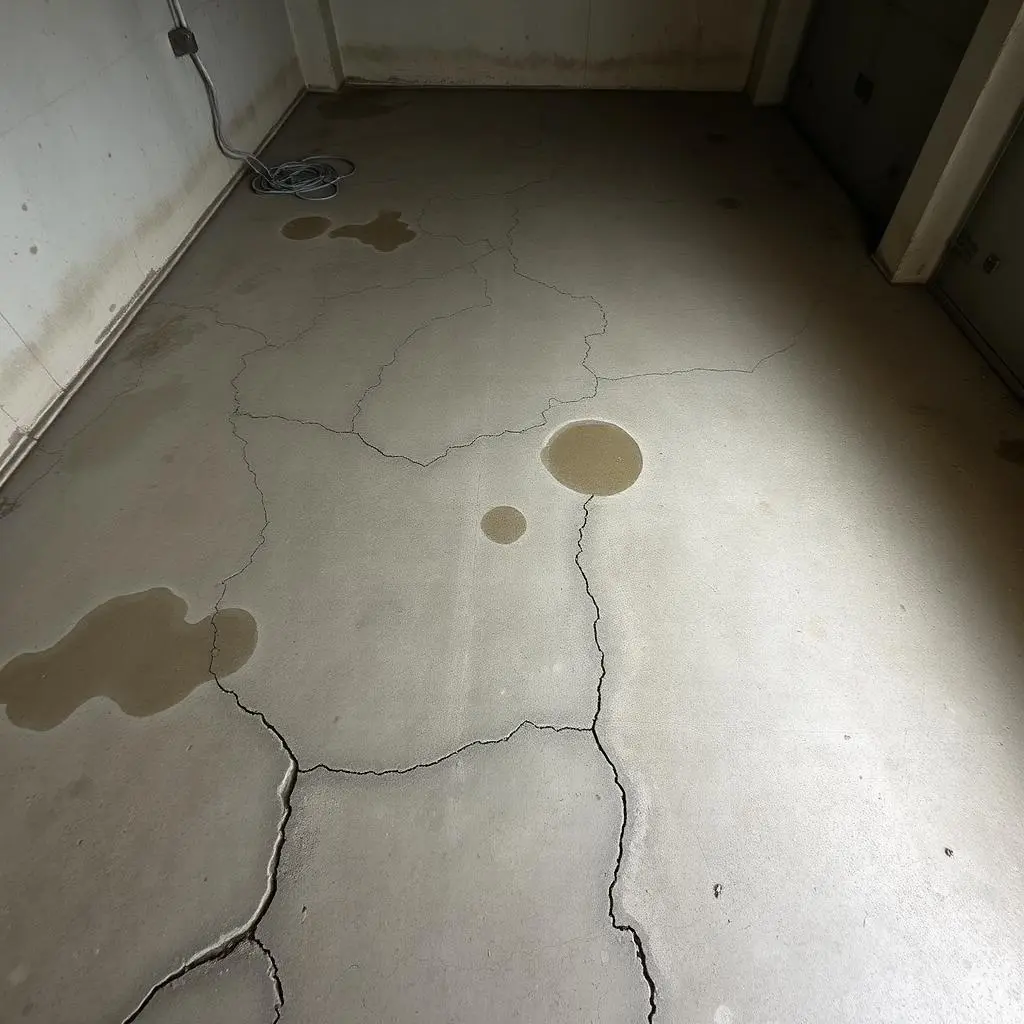
Concrete repair detail showing chased crack and polyurea fill
· Service · 11 / 15

Cracks closed. Spalls rebuilt. Slab restored.

Concrete repair covers static and dynamic crack remediation, spall reconstruction and moisture mitigation — all with ICRI-certified prep and engineered repair materials. Polyurea crack fill, elastomeric joints, polymer-modified mortars and ASTM-compliant moisture-mitigation primers, sequenced correctly so the next floor system actually bonds.

20+
Years installing
2,400+
Floors completed
5.0 ★
Google rating
10–15 Yr
Written warranty
— TL;DR

The five-second answer.

  • Static cracks: chase, fill with 100% solids polyurea, grind flush.
  • Dynamic cracks: elastomeric joint detail or expansion-joint remediation.
  • Spalls: saw-cut, prep to ICRI CSP 6+, polymer-modified mortar.
  • Moisture mitigation primers per ASTM F1869 / F2170 — sealed before any coating.
  • ICRI-certified crew. Repairs sequenced for downstream coating compatibility.
— Definition

What is Concrete Repair?

Concrete repair is the family of remediation steps that take a damaged or compromised slab back to a state where coatings, polishing, overlays or replacement flooring can perform as specified. We work to International Concrete Repair Institute (ICRI) standards, which means correct surface profile (ICRI CSP 1 through 9 depending on repair), correct material selection (rigid 100% solids polyurea for static cracks, elastomeric urethane for moving cracks, polymer-modified cementitious mortar for spalls, epoxy-based moisture mitigation for high-vapor slabs), and documented prep with photos and substrate readings. Repair material chemistry must be compatible with whatever floor system follows — using the wrong patch at the wrong location is the most common reason a finished floor fails inside two years.

System specification.

The numbers we'll write into your job file before any product is opened.

Crack fill (static)
100% solids polyurea (Penntek or equivalent)
Crack fill (dynamic)
Elastomeric urethane joint sealant
Spall repair
Polymer-modified cementitious mortar (Ardex, Mapei)
Moisture mitigation
Two-part epoxy moisture vapor primer (Sherwin-Williams General Polymers)
Standards
ICRI Guideline 310.1R · 310.2R · ASTM F1869 · ASTM F2170
Prep profile
ICRI CSP 1 (light) through CSP 9 (saw-cut)
Documentation
Pre-repair photos, moisture readings, batch records
Warranty
10-year repair adhesion (when followed by approved system)

Best for.

Where this system outperforms the alternatives. Linked to detailed application pages.

Our install process.

Documented, photographed and signed off step-by-step. Prep is 70% of lifespan.

  1. 01
    Substrate evaluation & ICRI assessment
    Crack mapping, spall identification, joint condition documentation. ICRI-certified inspector walks slab and produces written repair plan.
  2. 02
    Moisture testing (ASTM F1869 / F2170)
    Calcium chloride MVER and RH probes at three locations minimum. Triggers moisture mitigation spec if readings exceed coating manufacturer thresholds.
  3. 03
    Crack characterization
    Each crack identified as static or dynamic — different repair material and joint detail for each.
  4. 04
    Static crack chase and polyurea fill
    Crack opened with crack-chasing blade, vacuumed, filled with 100% solids polyurea, ground flush.
  5. 05
    Dynamic crack elastomeric joint
    Crack opened to spec width, backer rod installed, elastomeric urethane sealant applied — accepts continued movement.
  6. 06
    Spall repair
    Failed concrete saw-cut to sound substrate at vertical edges, prepared to ICRI CSP 6+, polymer-modified mortar placed and finished to grade.
  7. 07
    Moisture mitigation primer
    Where moisture readings exceed coating manufacturer thresholds, two-part epoxy moisture vapor primer applied at full mil to seal slab.
  8. 08
    Final prep for downstream system
    Repaired surface diamond-ground to the specified ICRI CSP for the next coating, polish or overlay system. Repair zones blended to surrounding slab.
— Finish options

Color, texture, depth.

Repair material color is matched as closely as practical to the surrounding slab. Polyurea crack fills accept stain and color; cementitious mortar can be pigmented; final color blend depends on the topcoat or polish that follows. Visible repairs are inevitable on bare or stained slabs; a coated floor hides repairs entirely.

[REPLACE: swatch grid — actual finish samples on concrete coupons]

Concrete repair vs. tear-out and re-pour.

A practical head-to-head — what each system does well, and where the line is.

Recommended

Concrete Repair

  • Surgical — only damaged areas touched
  • Days, not weeks
  • Substrate stays in service
  • Cost: damage-specific, often <$10/sq ft
Alternative

Tear-Out and Re-Pour

  • Fresh slab, no inherited problems
  • Demo, debris, formwork, full schedule
  • Permits, inspections, downtime
  • $15–$30/sq ft + demo cost

Verdict: Repair wins anywhere the slab is structurally sound and the damage is localized. Tear-out wins where damage exceeds 20–30% of slab area, where the slab is structurally compromised, or where a major slope, drain or thickness change is required.

— Frequently asked

Specifics matter.

What does concrete crack repair cost?
+
Crack repair pricing is by linear foot of crack — typically $4–$8 per linear foot for chase + polyurea fill + grind flush. Spall repair is by square foot of damaged area: $15–$45/sq ft depending on depth and access. Moisture mitigation primer adds $2–$5/sq ft over the full slab. We quote repair scope as a separate line item before any coating or polish quote.
What's the difference between static and dynamic crack repair?
+
Static cracks are not moving — typically caused by curing shrinkage, point loads or settlement that has stabilized. Repair: chase open, fill with rigid 100% solids polyurea, grind flush. Dynamic cracks are still moving — typically expansion-related or part of a control joint system. Repair: elastomeric urethane joint detail that accepts movement. Filling a dynamic crack with rigid polyurea will telegraph or crack within months.
What is moisture mitigation and when is it required?
+
Moisture mitigation is a two-part epoxy primer applied over high-vapor concrete to prevent moisture migration from blistering or delaminating subsequent coatings. Required when calcium chloride MVER (ASTM F1869) exceeds 3 lb / 1000 sq ft / 24 hr, or when RH probe (ASTM F2170) exceeds 75–80%. Common on slab-on-grade in coastal SoCal, basements and below-grade applications.
Can you repair without ripping out the existing floor finish?
+
Sometimes — depends on the finish. Static cracks under tile can be addressed with elastomeric crack-isolation membranes during tile re-set. Polished concrete can be patched in-place and re-polished. Coated floors typically require local removal, repair and recoat. We evaluate during the on-site walk.
How fast can spall repair go back into service?
+
Polymer-modified mortar spall repair walk-on at 4–6 hours, light vehicle at 24 hours, full forklift at 72 hours. Coatings or polishing over the repair must wait the full mortar cure cycle (typically 7 days) before topcoating. We sequence the project to minimize downtime — repair zones can often be cordoned off while operations continue elsewhere.
Are your repair crews ICRI-certified?
+
Yes — our crew leads carry ICRI Certified Concrete Slab Moisture Testing Technician credentials and follow ICRI Guideline 310.1R / 310.2R for surface preparation. Repair documentation (photos, moisture readings, batch records) is included in your job file. Insurance carriers and warranty providers commonly require ICRI-certified documentation; we provide it as standard.
Get a Free Estimate

Ready to repair your slab the right way?

Reply within two business hours. On-site consult, written specification, and itemized quote — never a high-pressure sales visit.

(619) 304-6501

Start in 10 seconds

We'll prefill the rest. No spam, no pressure — your details only go to our estimating team.