Metallic Epoxy vs. Polyaspartic: Which Floor Belongs in a Southern California Garage?
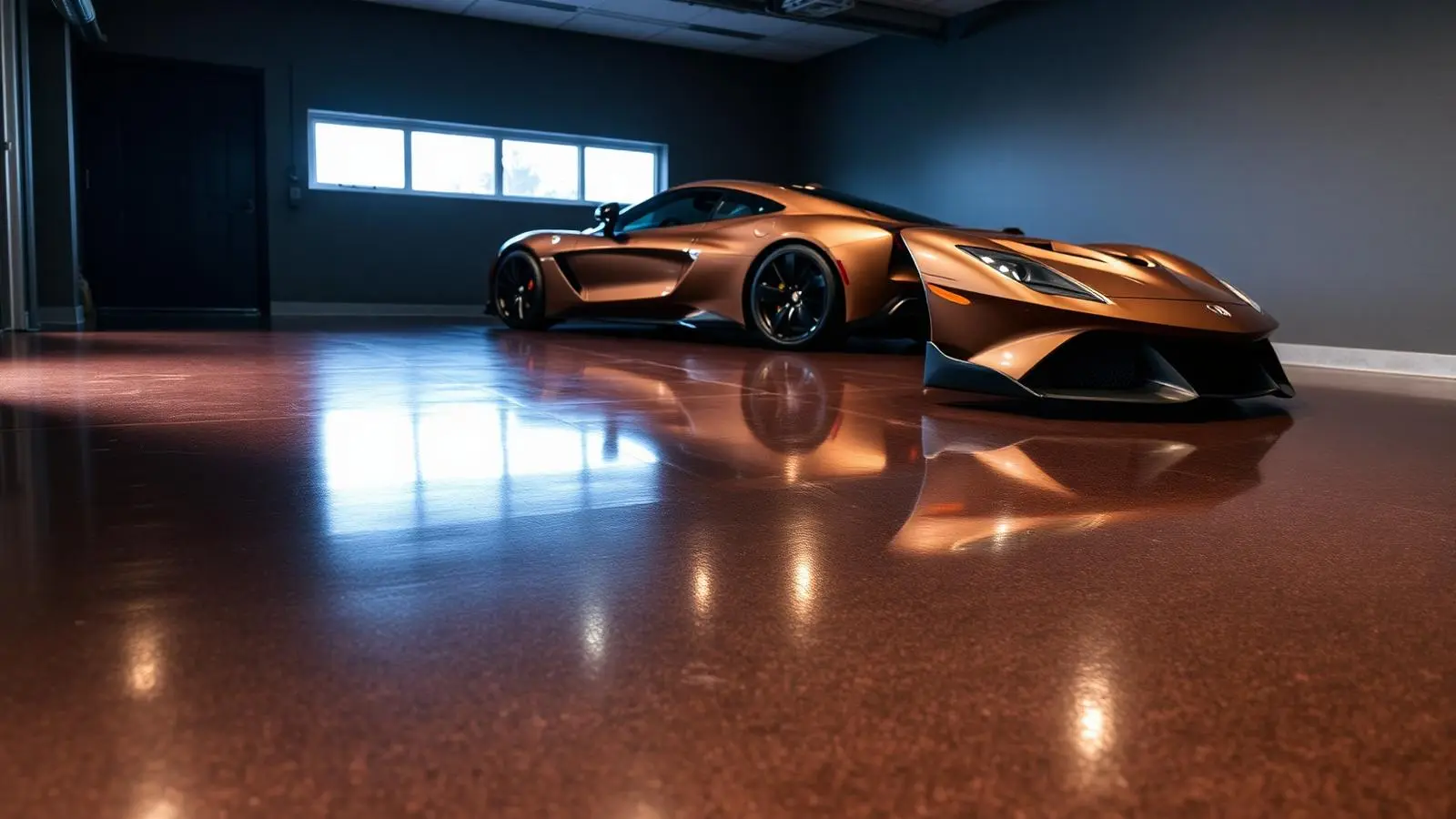
Almost every high-end garage I quote in San Diego, Orange County, and the Inland Empire comes down to the same two-system shortlist: a flowed metallic epoxy with a UV-stable topcoat, or a fast-cure polyaspartic chip system. Both are excellent. Neither is right for every floor.
After two decades of specifying these systems across SoCal — coastal homes that breathe salt fog all winter, inland properties that hit 115 °F slab temperature in August, and three-car garages that double as showrooms — I can tell you the choice is rarely about price per square foot. It's about how the slab is going to be used, how it's going to be lit, and how patient the owner is willing to be during installation.
- ·Metallic epoxy is a design floor: deep, three-dimensional, photographs beautifully, and almost always wears a polyaspartic or polyurethane UV topcoat to survive sunlight.
- ·Polyaspartic chip is a working floor: tougher day-to-day surface, one-day install, hot-tire resistant, and far more forgiving of dropped tools.
- ·On a 600 sq ft SoCal garage, expect roughly $9–14 per sq ft for premium polyaspartic chip and $12–18 per sq ft for a true metallic with proper UV protection.
- ·Both systems require diamond grinding to a CSP 2–3 profile and a calcium chloride or RH moisture test before any resin touches the slab.
What each system actually is
Metallic epoxy is a 100% solids epoxy resin loaded with mica-coated metallic pigments. The installer pours it, then manipulates it with rollers, leaf blowers, and torches to create the pearled, marbled, three-dimensional look that makes it the most photographed garage floor on Instagram. By itself, epoxy is not UV-stable — leave a raw metallic floor in direct sunlight and it will amber within a season. That's why every metallic floor I install gets a polyaspartic or aliphatic polyurethane topcoat over it.
Polyaspartic, sometimes called a polyurea hybrid, is an aliphatic isocyanate resin. It cures fast (often walkable in 4–6 hours), holds color in UV, and resists hot tire pickup — the failure mode where a hot tire literally peels coating off the slab. Polyaspartic chip systems combine a colored basecoat, a broadcast of vinyl flake, and a clear polyaspartic topcoat. They are the workhorse of the modern garage coating industry.
How they actually behave in a SoCal garage
I've returned to metallic floors I installed eight years ago in Rancho Santa Fe and they still look the day they were poured — but only because we used a high-build aliphatic topcoat and the floor lives mostly indoors. The same metallic, in a beach garage in Encinitas with the door open six hours a day, would have shown UV shift in two summers without that topcoat.
Polyaspartic chip, by contrast, was built for abuse. The full broadcast of color flake creates a textured, slip-resistant surface that hides scratches, masks dropped oil, and stays cool underfoot — which matters in Temecula or Palm Desert garages where the slab can hit 115 °F and bare resin softens.
Cost in real Southern California numbers
Pricing in SoCal in 2025 generally falls in these ranges for a 600 sq ft two-car garage with sound concrete and no major repair work:
- 01Polyaspartic chip, single-day install: $9–14/sq ft
- 02Premium polyaspartic with double broadcast and high-build clear: $12–16/sq ft
- 03Metallic epoxy with polyaspartic UV topcoat: $12–18/sq ft
- 04Designer metallic with custom blend, multiple pours, and high-build aliphatic clear: $18–25/sq ft
Installation timeline
A polyaspartic chip system is a one-day install for most garages: grind in the morning, basecoat and broadcast by noon, scrape and clear-coat by late afternoon, walk on it that evening, drive on it in 24 hours. That speed is the single biggest reason it dominates the residential market.
Metallic is slower by design. Day one is grind, repair, and prime. Day two is the metallic pour and design work. Day three is sand and topcoat. You're typically not parking a car on it for 72 hours minimum, and the design work itself is a craft — a metallic poured in a hurry looks like a metallic poured in a hurry.
Which one increases home value more
On the resale side, both systems show up favorably in inspections and listing photos, but they tell different stories. A pristine metallic floor signals "this owner cared," especially in luxury markets like La Jolla, Newport Coast, or Hidden Hills. A polyaspartic chip floor signals "this is a maintained, functional garage" — which often resonates more with the broader buyer pool in markets like Carlsbad, Mission Viejo, or Temecula.
If the garage is part of the home's design language — exposed to the kitchen, used as a bar, or visible from the street — go metallic. If it's a true garage where motorcycles, EV chargers, and toolboxes live, go polyaspartic chip. There is no wrong answer; there is only a wrong system for the wrong owner.
Prep is the same for both — and that is where floors fail
Whichever system you pick, the prep is non-negotiable. Both systems require mechanical diamond grinding to a CSP 2–3 profile, full crack chase and repair with a polymer-modified mortar, and a moisture test (ASTM F1869 calcium chloride or ASTM F2170 in-situ RH) before any resin is applied. A floor that fails in year two almost never failed because of the resin — it failed because someone skipped the moisture mitigation primer or acid-etched instead of grinding.
Frequently asked questions
Will a metallic epoxy floor turn yellow in the sun?
Bare metallic epoxy will amber under UV. That's why every metallic system we install in Southern California is topcoated with an aliphatic polyaspartic or polyurethane clear, which holds color for 10+ years even in coastal sunlight.
Can I install polyaspartic over an existing epoxy floor?
Sometimes. The existing floor must be sound, fully bonded, and mechanically abraded with a diamond screen or shot blast. If the existing coating is delaminating, it has to come off first. We pull a coupon and pull-test before quoting an overlay.
Which system handles hot tires better?
Both systems handle hot tire pickup well when properly installed, but polyaspartic chip has a slight edge because of its higher Tg (glass transition temperature) and the texture from the flake broadcast, which mechanically interrupts tire-to-resin adhesion.
Garage Floor Coating Cost in San Diego: A 2025 Buyer's Guide
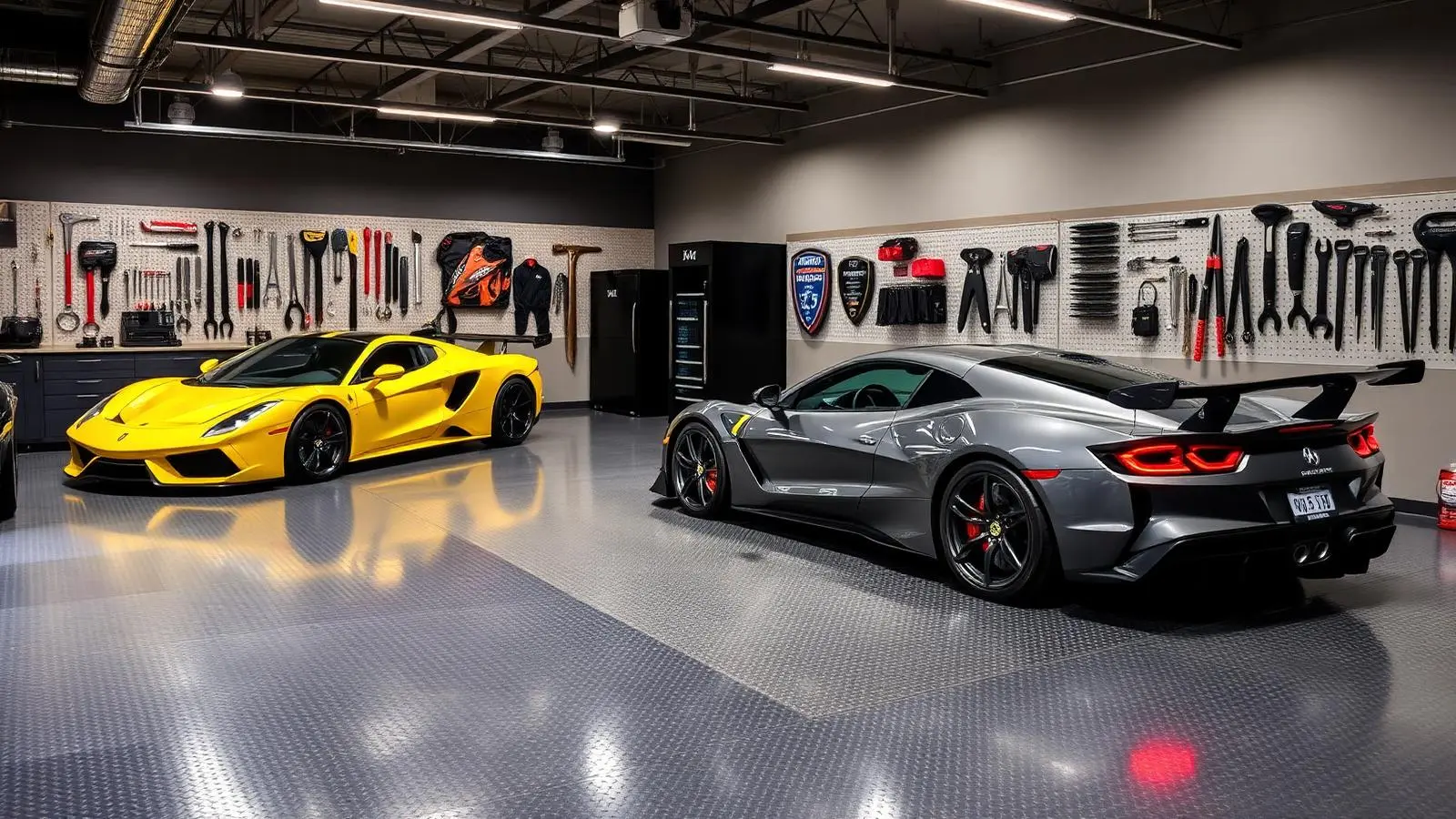
What a professional garage floor coating actually costs in San Diego in 2025 — line-item pricing, what drives the price up or down, and how to read a quote without getting ambushed by upsells.
Polished Concrete vs. Epoxy: Which Floor Wins in a Modern SoCal Home?
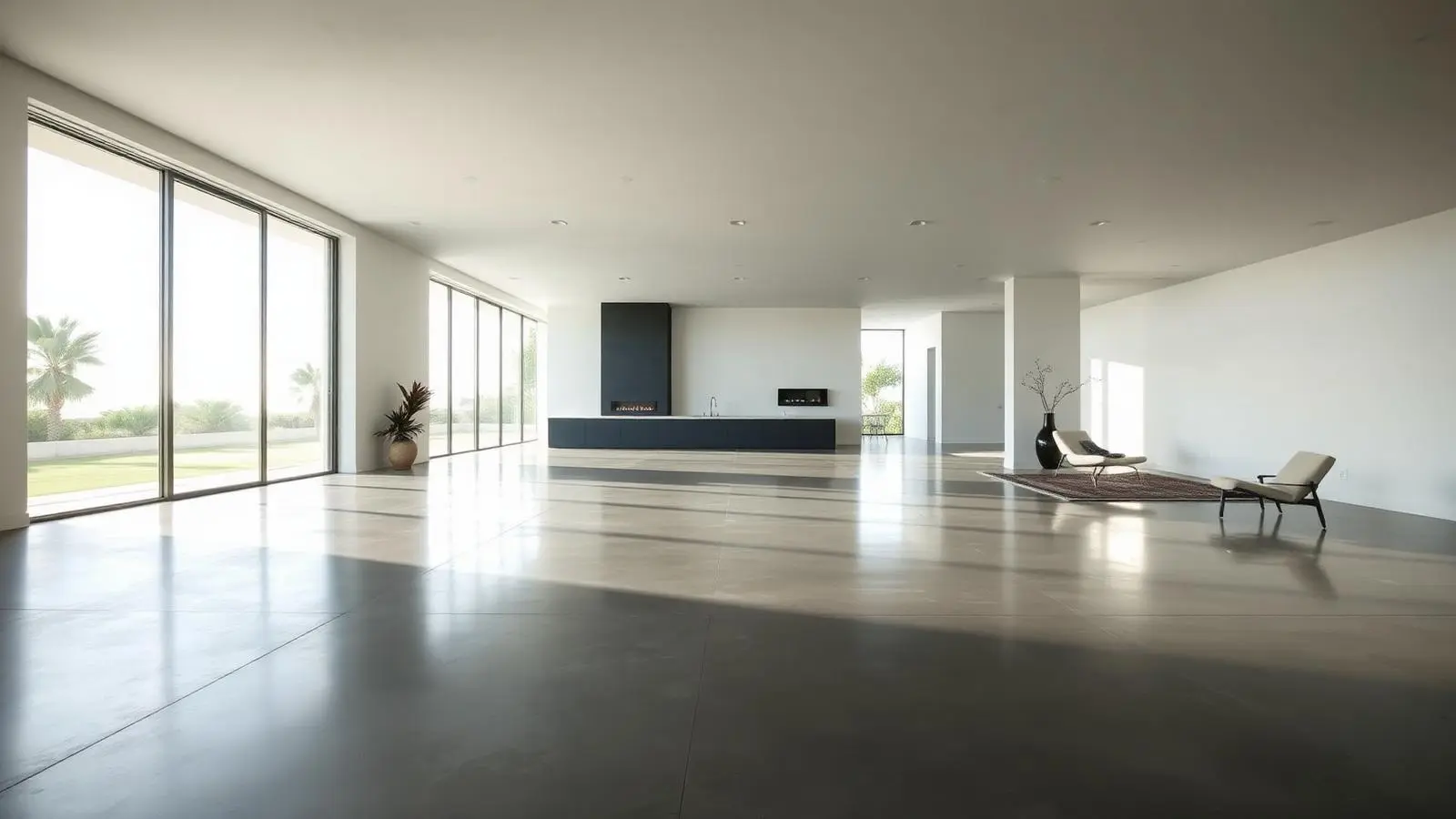
A working installer's comparison of polished concrete and epoxy resin floors for modern Southern California interiors — design, comfort, maintenance, cost, and where each one quietly fails.
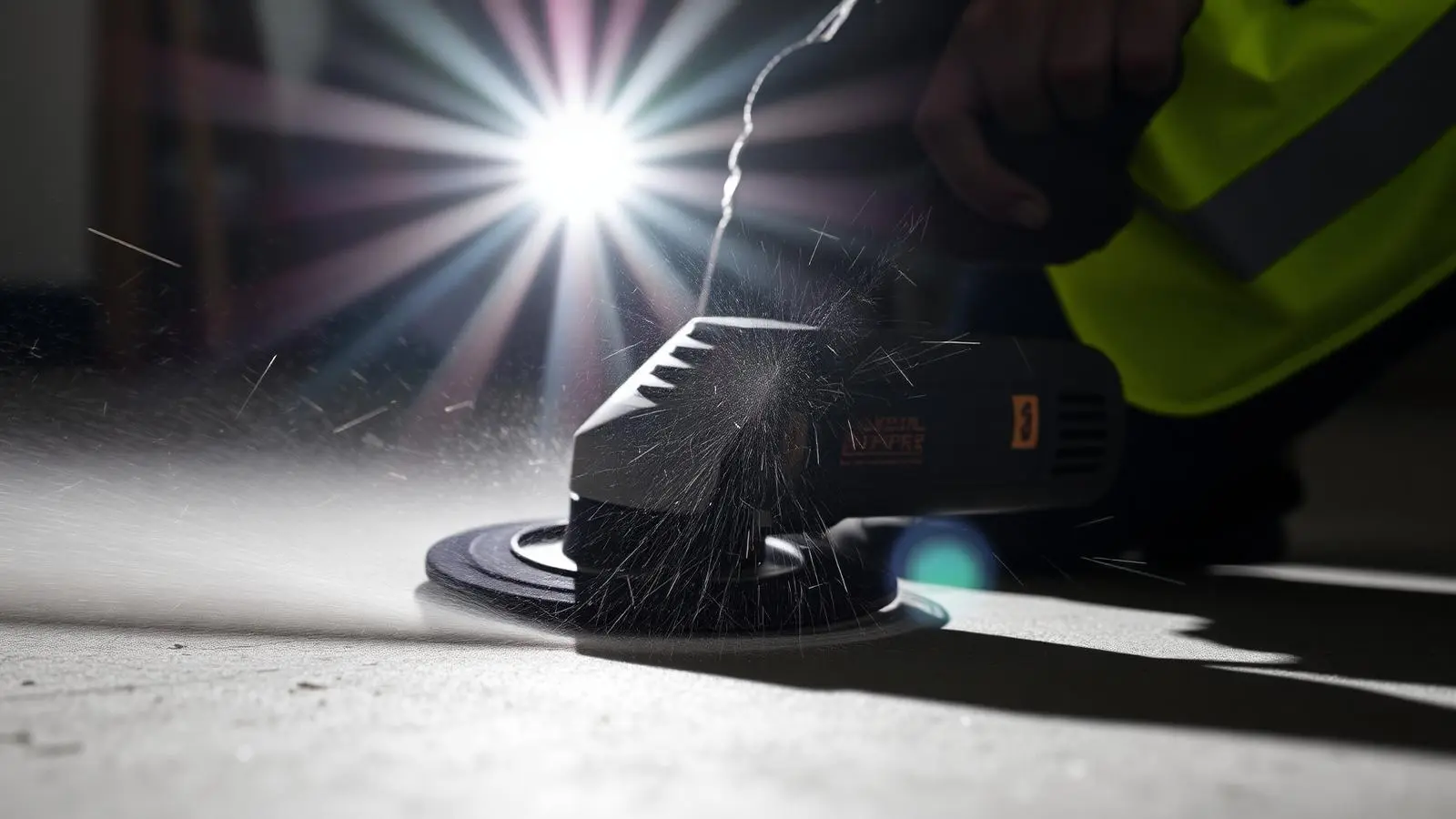
Surface Prep Standards Explained: CSP, ICRI 310.2R, and Why Your Floor Will Fail Without Them
A working specifier's guide to ICRI surface prep standards (CSP 1–9), what each profile is for, and why proper mechanical prep is the single biggest predictor of a resin floor's lifespan.
Ready to specify your floor?
Reply within two business hours. On-site consult, written specification, and itemized quote — never a high-pressure sales visit.
(619) 304-6501