Auto Dealership Flooring: How to Specify a Showroom and Service Bay That Outlast the Brand Refresh
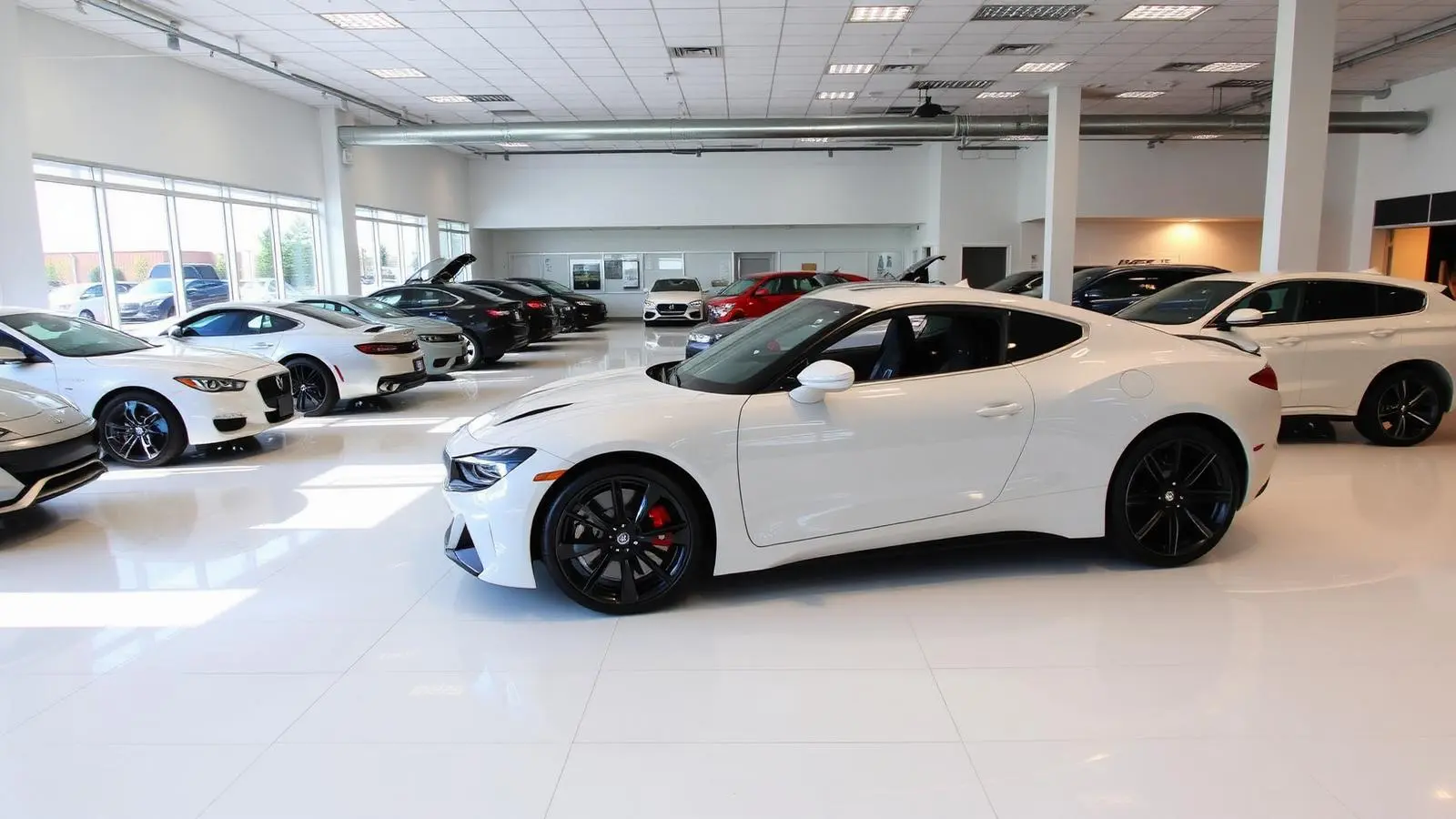
Dealership flooring is one of the most punishing applications in the commercial coatings industry. Showroom floors host million-dollar inventory and host fluorescent showroom lighting that magnifies every imperfection. Service bays handle hot tires, dropped tools, hydraulic fluid, brake dust, and 24/7 traffic. Detail bays deal with constant water, soaps, and citric solvents.
Most dealership flooring failures I'm called to assess in San Diego, Orange County, and the Inland Empire happen because one floor system was specified across all three zones to save money. Each zone has different requirements, and treating them as one floor is the mistake.
- ·Showroom: Polished concrete or designer metallic with high-build aliphatic topcoat — beauty and reflectivity for inventory.
- ·Service bay: Polyaspartic or polyurea chip system with full broadcast — durability and oil/chemical resistance.
- ·Detail bay: Urethane cement or epoxy quartz with cove base and slope-to-drain — chemical and water resistance.
- ·Brand refresh cycles run 5–8 years; spec floors that outlast at least two cycles or expect to repeat the install.
Showroom floor — beauty under brutal lighting
Showroom lighting is the unforgiving variable. Modern dealerships use 5000K LED grids that magnify every grind mark, every pinhole, and every roller line. This rules out most field-installed coatings and pushes the spec toward two systems: polished concrete (when the existing slab cooperates) or a designer metallic with a multi-coat aliphatic high-build topcoat (when the slab needs to be hidden).
Polished concrete delivers the cleanest, most modern look at the lowest long-term cost. The trade-off is that what you see is what you get — patches, color variation, and saw cuts are all part of the finished floor. For brands that want a controlled, uniform look (luxury German brands especially), metallic with a UV-stable high-build clear is the better path.
Service bay — the workhorse zone
Service bays need a floor that handles dropped wrenches, hot tires, hydraulic fluid spills, and constant point loading from rolling jack stands. Polyaspartic chip is the right answer 90% of the time — full color flake broadcast for slip and abrasion resistance, double clear coat for chemical and oil tolerance, and integral cove base where wash-down occurs.
Where the service bay handles aggressive chemicals (paint shops, body shops, alignment racks with hydraulic fluid leakage), step up to a polyurea or aliphatic polyurethane high-build system with the same broadcast. The cost premium is roughly 30%, the lifespan premium is roughly 2x.
Detail bay — water everywhere, all the time
Detail bays are essentially commercial kitchens with citrus solvents instead of citric acid. The floor sees constant water, weekly degreasers, and daily citric or solvent-based wheel cleaners. Urethane cement is the right specification for the same reason it's right for kitchens — thermal stability, chemical resistance, and steam-clean compatibility.
Slope-to-drain at 1/4" per foot, integral cove base, and trench drain integration are mandatory. A flat detail bay floor with caulked drain joints is a callback waiting to happen.
Cost expectations for a typical SoCal dealership
On a typical 30,000 sq ft dealership with a 5,000 sq ft showroom, 20,000 sq ft of service bays, and 5,000 sq ft of detail/wash bays:
- 01Polished concrete showroom: $7–12/sq ft = $35,000–60,000
- 02Designer metallic showroom with high-build topcoat: $15–22/sq ft = $75,000–110,000
- 03Polyaspartic chip service bays: $7–11/sq ft = $140,000–220,000
- 04Urethane cement detail bays: $14–20/sq ft = $70,000–100,000
Phasing — how to install without closing the dealership
Most dealerships can't shut down. Phasing typically means installing one bay or one zone at a time during off-hours or extended weekends. Polyaspartic is the hero here — 24-hour return-to-service makes it possible to install a service bay Friday night and reopen Monday morning. Urethane cement and polished concrete require longer closure windows and need more careful scheduling around the dealership's service appointments.
Specify for the next refresh, not just this install
Dealership brand refresh cycles run 5–8 years. The floor systems we install today should comfortably outlast at least two refresh cycles, which means designing for 12–16 years of service. That's why the prep, the topcoat, and the maintenance plan matter as much as the resin choice — they're the difference between specifying once and re-specifying every brand refresh.
Frequently asked questions
Can dealership coatings be installed during operation?
Service and detail bays can be phased one bay at a time. Showrooms typically require a full inventory move and 4–6 day closure of the showroom area for a metallic install.
What about brand-specific color requirements?
All major flake and metallic systems offer custom color matching to brand palettes (Audi silver, Porsche grey, BMW white) for a premium of roughly 10–20% over standard colors.
How does dealership flooring affect property value?
Quality flooring is one of the highest-ROI capital improvements for dealership real estate. It directly affects appraisal, brand compliance scores, and OEM facility audit results.
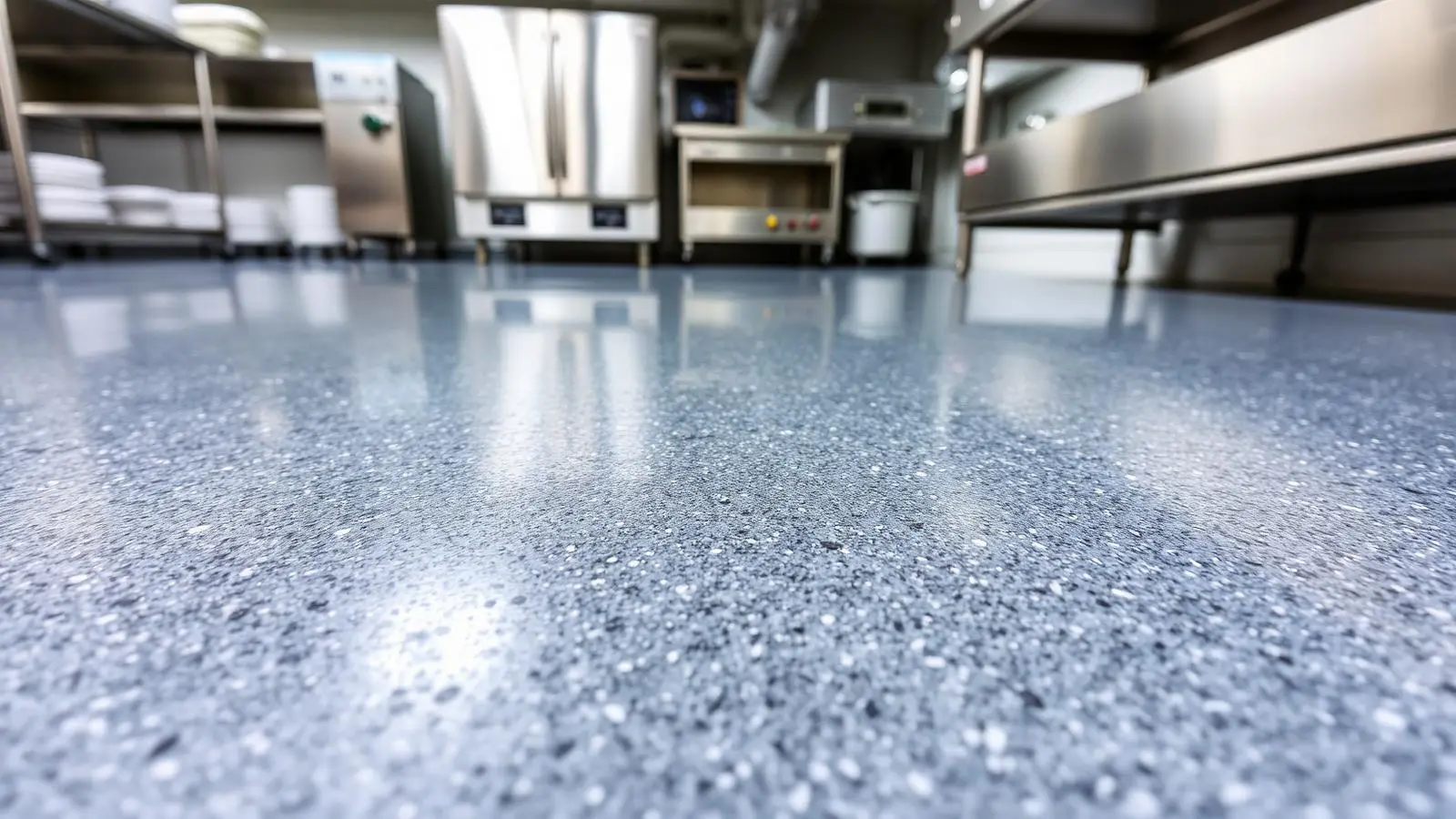
Commercial Kitchen Floor Systems: Why Urethane Cement Is the Only Honest Answer
How to specify a commercial kitchen floor that survives boiling water, animal fats, citric acid, and steam cleaning — why urethane cement outperforms epoxy quartz in real-world kitchens.
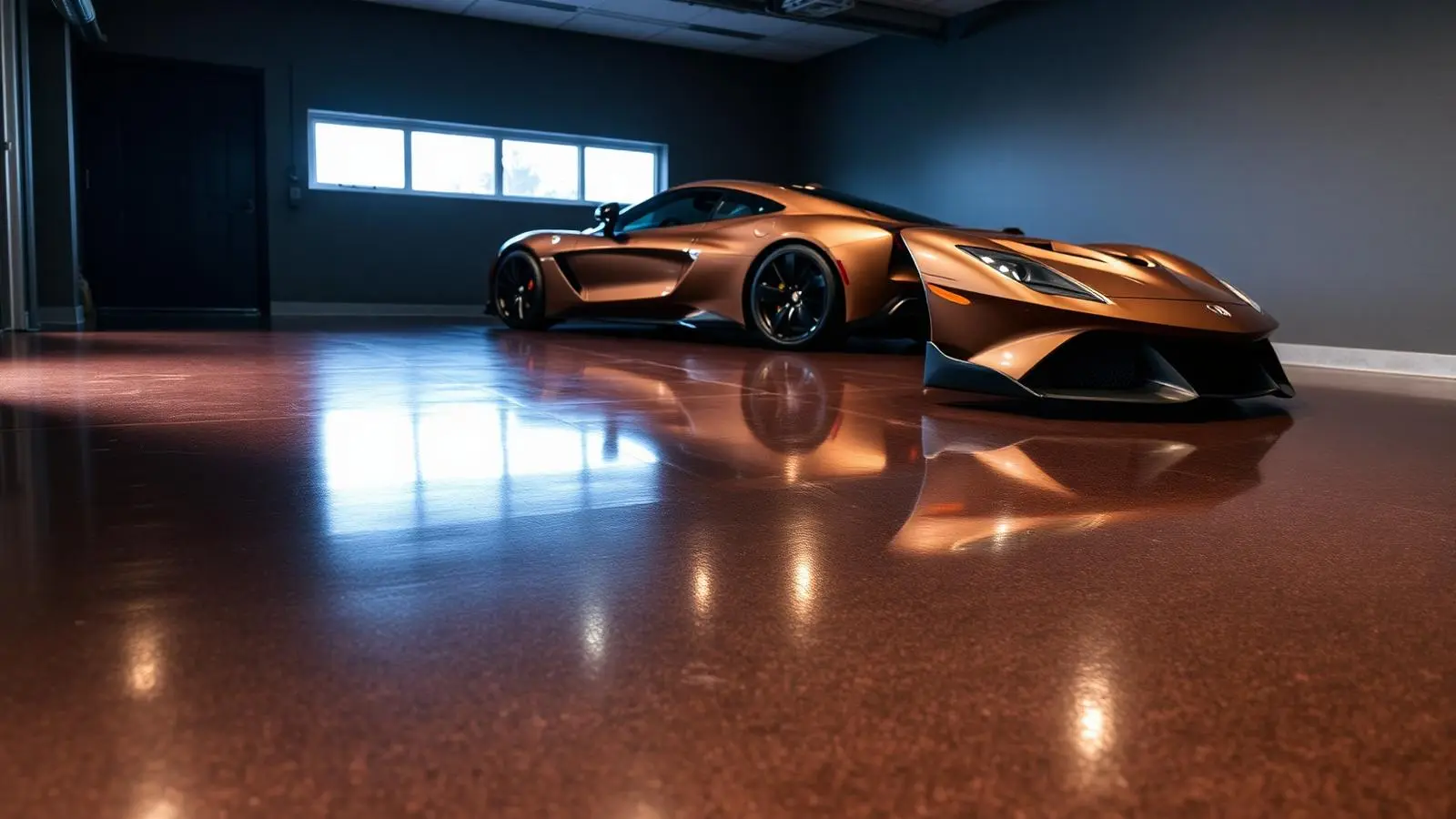
Metallic Epoxy vs. Polyaspartic: Which Floor Belongs in a Southern California Garage?
A field-tested comparison of metallic epoxy and polyaspartic floor systems for Southern California garages — durability, UV behavior, cost, install timeline, and resale value.
Surface Prep Standards Explained: CSP, ICRI 310.2R, and Why Your Floor Will Fail Without Them
A working specifier's guide to ICRI surface prep standards (CSP 1–9), what each profile is for, and why proper mechanical prep is the single biggest predictor of a resin floor's lifespan.
Ready to specify your floor?
Reply within two business hours. On-site consult, written specification, and itemized quote — never a high-pressure sales visit.
(619) 304-6501